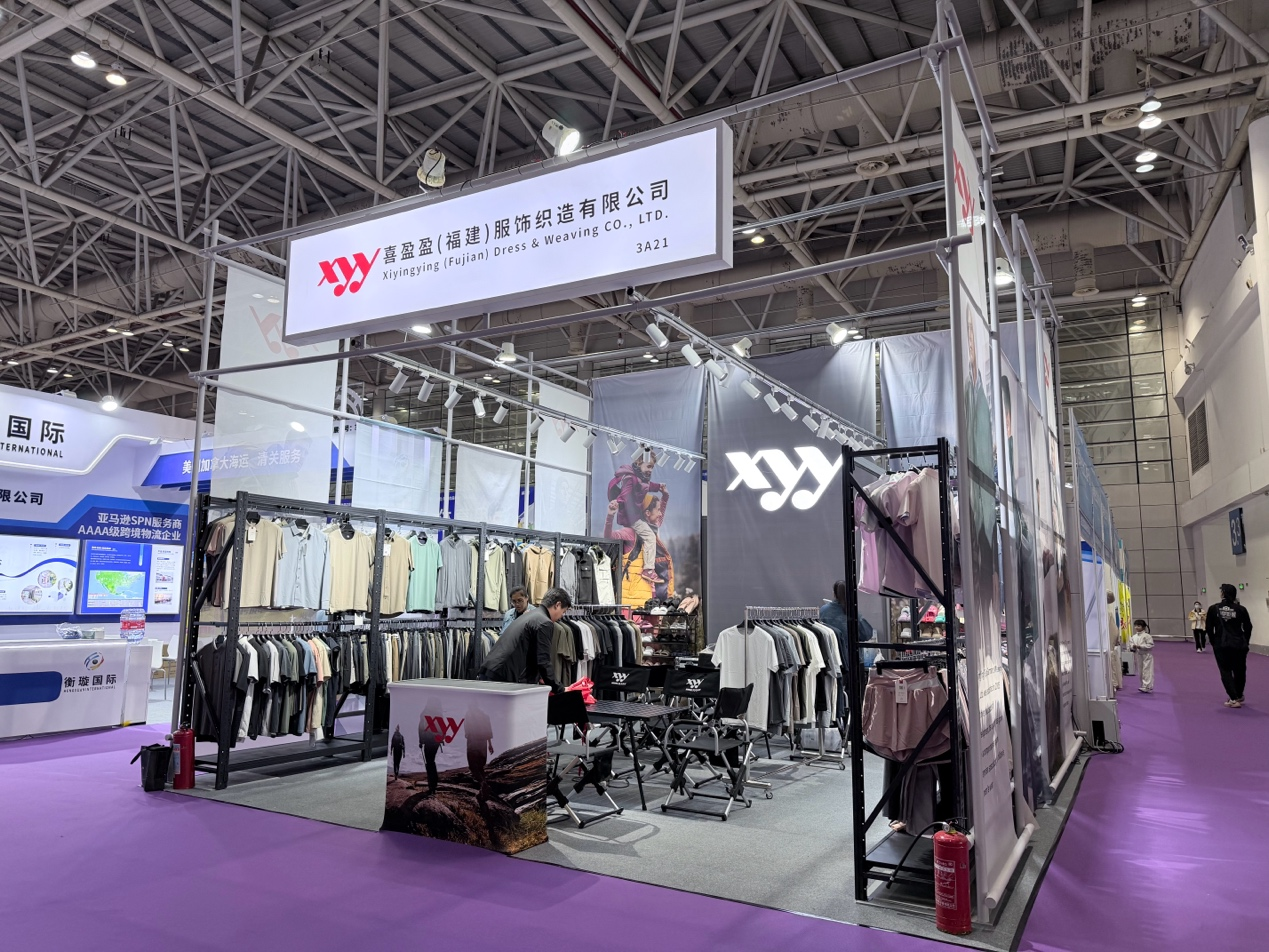
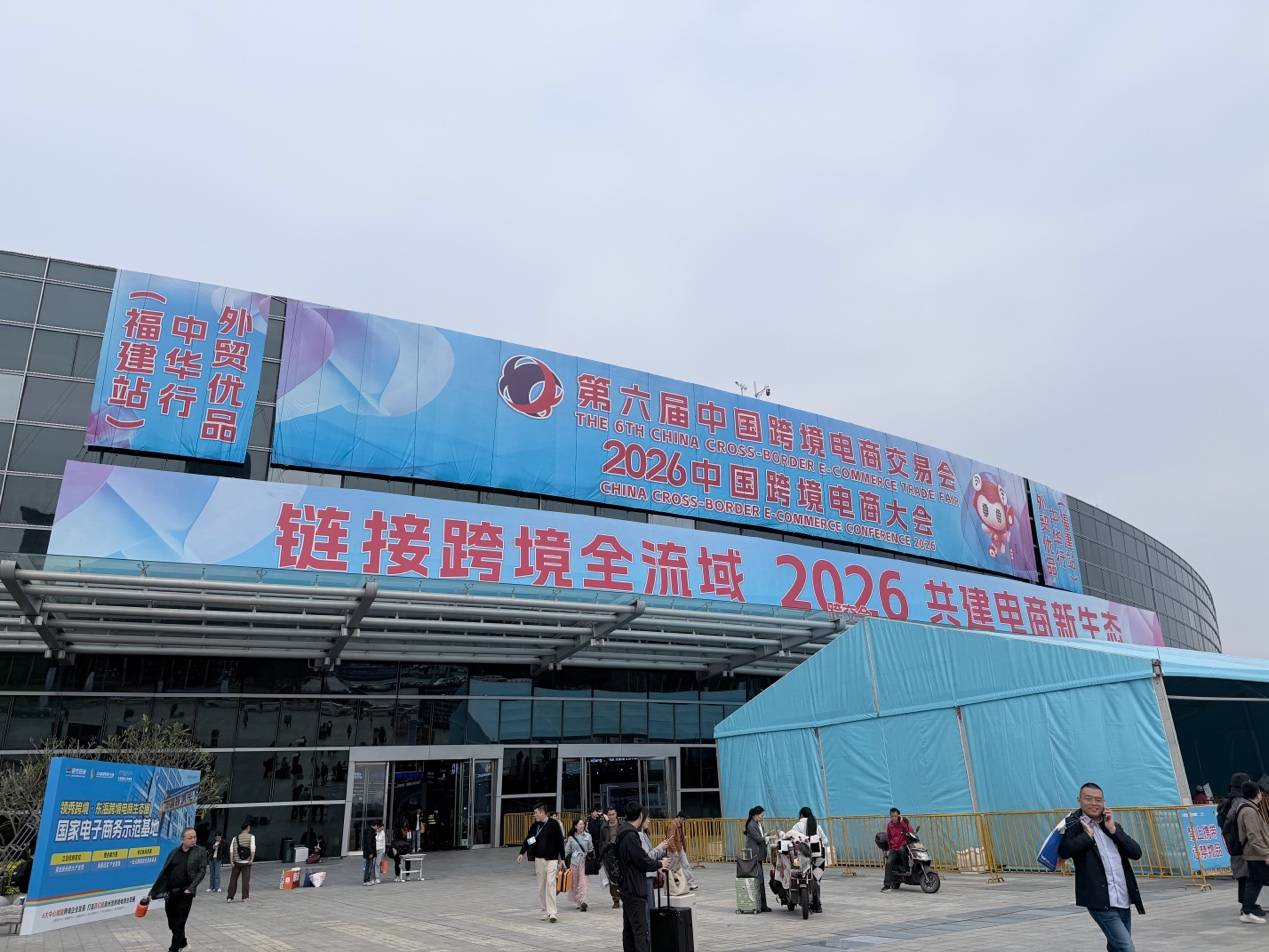
On March 18, 2026, Xiyinying (Fujian) Dress & Weaving Co., Ltd. participated in the Cross-Border E-commerce Fair in Fuzhou, taking part in a three-day exhibition and industry exchange.
This event focused on cross-border e-commerce supply chains and global market expansion, providing an excellent opportunity to connect with a new generation of clients.
In-depth Engagement with Cross-border E-commerce Clients
Unlike traditional trade fairs such as the Canton Fair, which mainly focus on bulk order transactions, this exhibition emphasized ecosystem connection within cross-border e-commerce.
Although the number of on-site orders was limited, we had in-depth discussions with clients from various countries and platforms.
Through direct communication, we gained a clearer understanding of key customer needs:
- More flexible MOQ and restocking systems
- Faster delivery cycles
- Standardized products compatible with e-commerce platforms
- Stable and efficient supply chain support
Better Understanding of Market Trends
This exhibition was not only a showcase but also a valuable learning experience. Compared to traditional wholesale buyers, cross-border e-commerce clients focus more on:
- Speed of product launches
- Ability to create best-selling items
- Data-driven decision making
- Supply chain responsiveness
Continuous Optimization of Supply Chain
Based on insights gained from the exhibition, we will further optimize our supply chain by focusing on:
- Fabric and product integration to improve development efficiency
- Inventory optimization for flexible order models
- Strengthening collaboration between China and Brazil operations
- Enhancing system management and data flow efficiency
We are committed to continuously improving our services to provide a more efficient and reliable supply chain for our clients.
Looking Ahead
With the rapid growth of cross-border e-commerce, the apparel industry is entering a new phase of opportunity.
Moving forward, Xiyinying will deepen cooperation with global e-commerce clients and leverage its “China + Brazil” dual-base advantage to build a more competitive global supply chain network.